Why I Spent $59 on a Piece of Plastic (And Why That's Actually Good Financial Advice)
The Purchase I Almost Talked Myself Out Of
I hate to be the bearer of bad news, but as a chronic underbuyer (see Gretchen Rubin's book Better Than Before on the concept of underbuyer vs. overbuyer tendencies), sometimes I have to buy things to improve my life. I know, it's a shock to me too. When your relationship with money has been "don't spend, save as much as possible," it's honestly a little heartbreaking to realize that the part after saving — spending — is the whole point of all that self-control.
I'm a simple girl with simple needs, and lately that's included spending $59 on a piece of plastic to help keep my dopamine-seeking tendencies at bay. (More on what that actually was in a minute.)
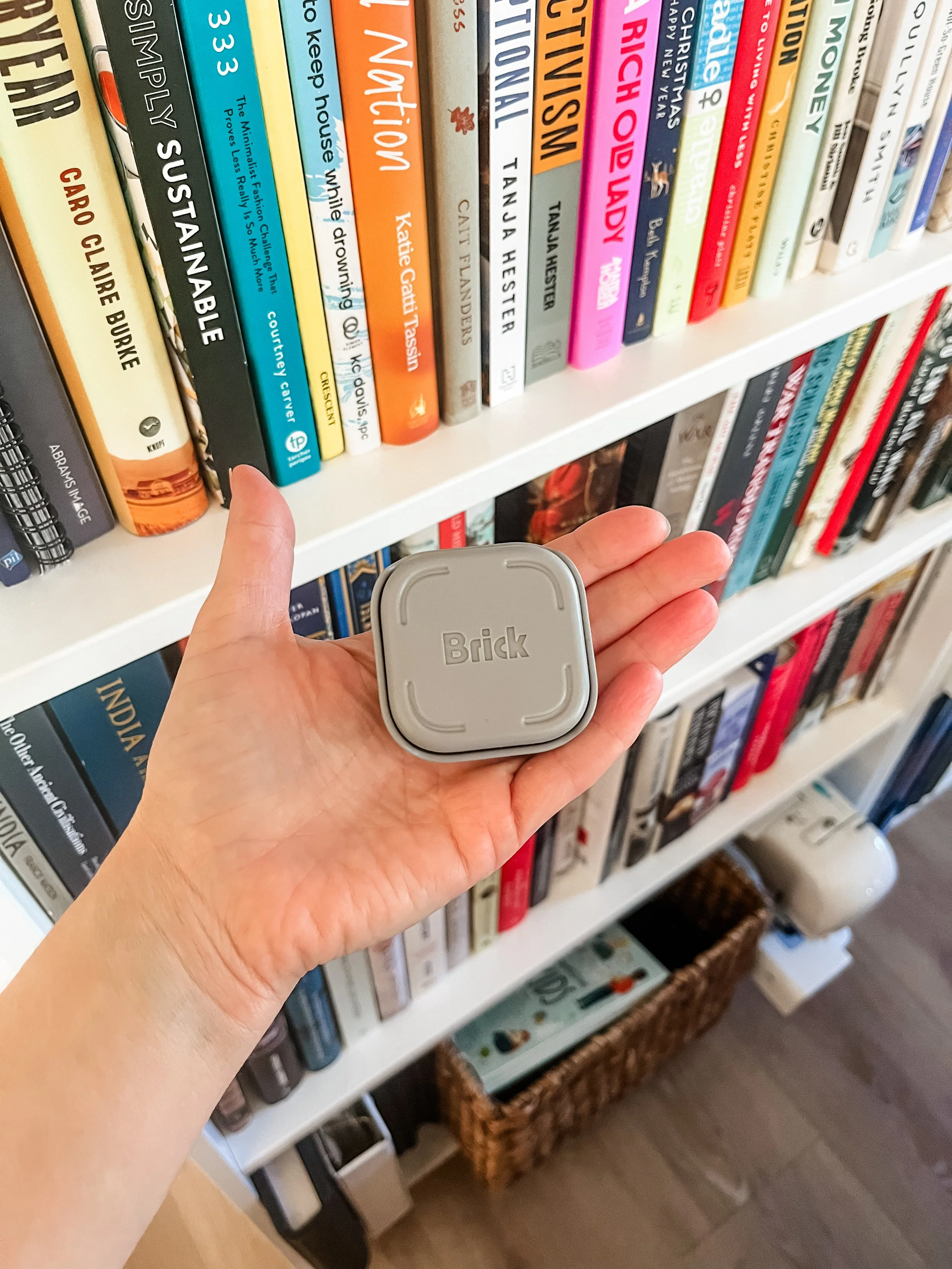
Cry For You by September plays in the background whenever I “brick” social media and forget Instagram exists for an entire weekend.
Why Spending the Right Way Is Harder Than Spending Less
But spending on the right things — that's where it gets tricky. Life experience, and plenty of happiness research, can have you believe more money equals more problems. We look at billionaires (and, for a short time, a trillionaire) who have so much and seem so deeply unhappy, and it makes us think the old adage — money can't buy happiness — must be true.
When really, we're just watching people who don't know themselves well enough to know what will actually make them happy. (And also probably some hoarding tendencies, but that's a post for another day.)
This is the core problem I see over and over as a financial life coach working with clients across North Alabama and beyond: most budgeting advice tells you what to cut. Almost none of it tells you what to keep — or what's actually worth adding.
Values-Based Spending: Where I Start With Every New Client
When I start working with a new client, the very first thing I have them do — before we even have our first session — is get clear on their values.
Do I just send them off to guess? No. I have a workbook for that.
By the time we get on our first call, they already understand something important: we're going to change how they use money based on their personal values. Not my values. Not their family's or their community's. Their own.
So when it's time to make a purchase, they can hold it up against those values and ask a simple question: is my money being spent in a way that actually supports what gives me a good life?
This is the foundation of the intentional, values-aligned approach I use with every client at The Minimalist Wallet — whether they're brand new to budgeting or they've already "done all the right things" financially and still feel stuck.
Applying My Own Framework: The $59 Question
In the case of my own software-blocking device purchase, I lined it up against my own values. One of mine is Efficiency. I was being genuinely inefficient with my time and attention — and that was costing me more than $59 ever could.
Spending money to buy back efficiency helps me accomplish what actually matters to me, gives me more time for rest, and makes me genuinely happy. That's exactly what I want for my clients: to learn how to use money as a tool for building a life that actually brings them happiness — not just a life that looks responsible on paper.
Sidebar: This wasn't meant to be an ad for Brick, but if it sparked your interest (and aligns with your values), here’s my referral link to save 10% on your purchase. Because it's efficient to do what I love — help people spend more intentionally — and get paid for it too.
Quick Answers: Values-Based Spending FAQ
What is values-based spending? Values-based spending is a financial coaching approach where purchase decisions are measured against a person's own defined values — not a generic budget category — to determine whether the money spent genuinely supports their life goals.
What's the difference between an underbuyer and an overbuyer? The terms come from author Gretchen Rubin. Overbuyers tend to purchase in excess "just in case." Underbuyers tend to delay or avoid purchases, even when the purchase would clearly improve their life, and often need explicit permission or a framework to spend confidently.
Do I need a strict budget to spend intentionally? Not necessarily. Values-based spending focuses less on restricting categories and more on checking each purchase against personal values, which can reduce both overspending and unnecessary underspending.
Where can I find a financial life coach in North Alabama? The Minimalist Wallet offers values-based financial life coaching to clients in Madison, Huntsville, and North Alabama, as well as virtually to clients anywhere.
Lauren Hooper is a Financial Life Coach and founder of The Minimalist Wallet, based in Madison, AL, helping clients build values-aligned relationships with money — in Huntsville, North Alabama, and virtually nationwide.